
Our Mission: Stopping Plastic at the Source
Great Lake Cleaners is a community initiative focused on cleaning local waterways that flow into the Grand River watershed and the Great Lakes. We are implementing a Source Reduction Strategy: we remove macro-debris from our local waterways, thus preventing the irreversible fragmentation of plastics into the Great Lakes system. Every kilogram of debris recovered here is an investment in the health of the environment and the health of the 40 million people [1] who rely on the Great Lakes system for drinking water.
Since we started on March 28, 2026, we’ve tracked each cleanup, including the weight, number of recyclables, and location. Our impact is updated live — cleanups are year-round, not solely on Earth Week:
The Problem
The Great Lakes are currently facing a plastic crisis that begins far upstream. It’s estimated that 10,000 metric tons of plastic enter the Great Lakes annually [2]. While microplastics (particles smaller than 5mm) are the primary concern for human and wildlife health, they are not manufactured in this size. They’re born from larger items: bottles, bags, foam, and packaging that break down through UV exposure and mechanical abrasion in river systems.
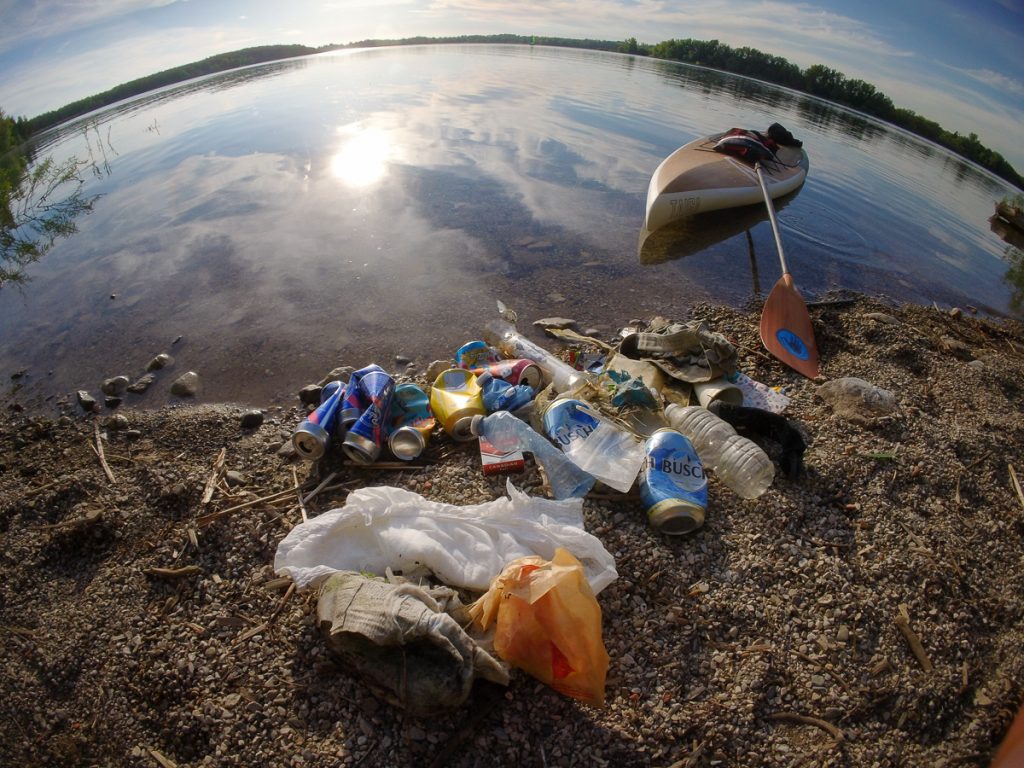
Every piece of macro-debris in a waterway is a microplastic factory, fragmenting into particles that are unrecoverable once dispersed in natural systems.
Research across the Great Lakes basin now shows that the highest reported concentrations of microplastics are found not in the lakes themselves, but in the tributaries that feed them [3][7]. Rivers like the Speed and Eramosa are among the primary pathways carrying urban debris into the larger system [8]. In November 2024, the International Joint Commission’s Science Advisory Board recommended that microplastics be designated a Chemical of Mutual Concern under the same framework used to regulate mercury [9]. Some water samples already exceed ecological risk thresholds.
Environmental Health is Human Health
Our mission is driven by a growing scientific consensus [10] that plastic pollution is a direct threat to human health. We are not just cleaning local waterways for wildlife; we are mitigating clinical risk factors in our communities. Plastic pollution is not only in our environments, but also in our own bodies [6]. The health impacts continue to be studied with research showing increased risks to our cardiovascular systems (heart attack and stroke) [4] and neurological system (dementia) [5].
Our Solution
Guelph sits at the headwaters of the Grand River, the largest watershed in southern Ontario that empties into Lake Erie. The Speed and Eramosa Rivers that run through our city are among the tributaries where microplastic concentrations are higher than in the Great Lakes [8].
Research has found microplastics in every fish sampled from the Great Lakes, compared to roughly one in four in the Pacific Ocean [11]. As upstream citizens, we have a unique opportunity to intercept pollution at the source. Debris removed here has not yet fragmented. What we pull from the river today will never become tomorrow’s microplastic problem.
The lake starts here.

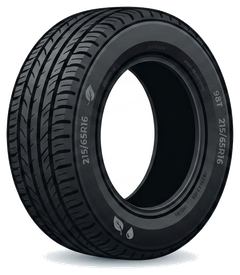
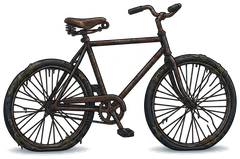
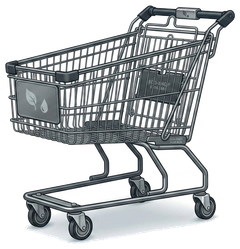
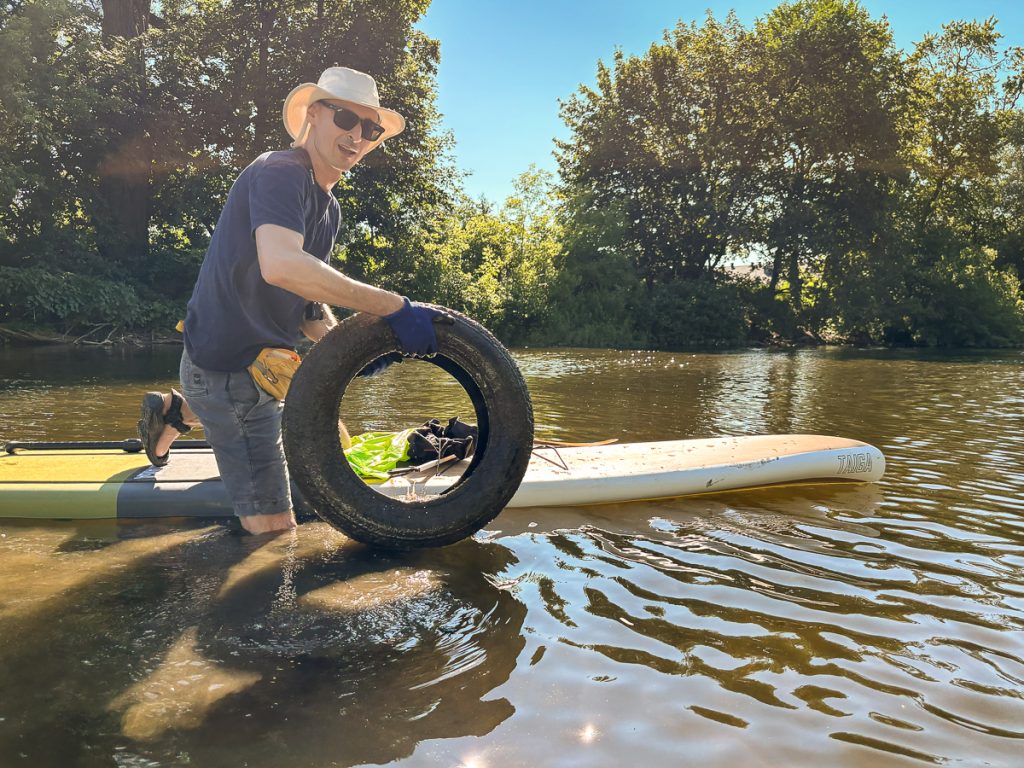
We conduct regular shoreline cleanups on foot and paddle on water along the Speed River, Eramosa River, and Hanlon Creek corridors. Every outing is documented (weight collected, items recycled, location mapped, unique sites cleaned, tires removed, hazardous waste removed, and volunteer hours). Each cleanup is published to our cleanups archive so the work is transparent and trackable over time.
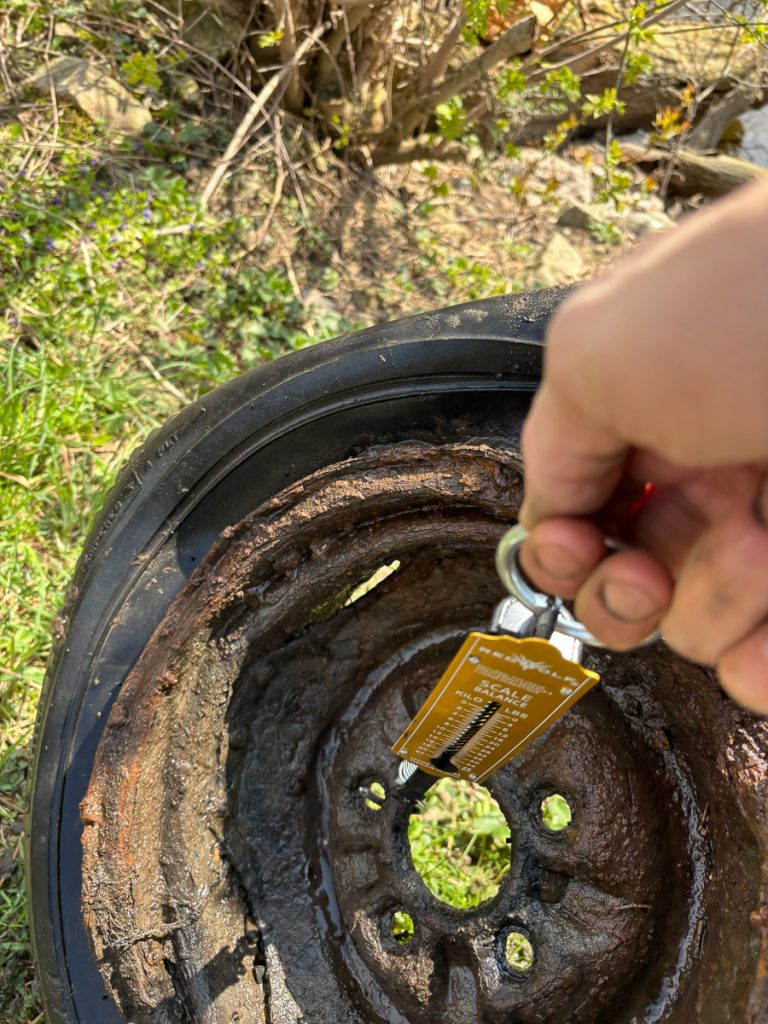
- What we can do: Remove visible macro-debris before it breaks down. Document pollution patterns that inform local decisions. Build awareness: every person who sees a cleanup in progress is a potential advocate for reducing waste at the source.
- What we can’t do: Address microplastics already in the water column, microfibre shedding from textiles, tire-wear particles, or agricultural runoff. These require infrastructure, policy, and industry accountability. We are not going to clean our way out of the plastics crisis with garbage bags alone.
Our Source Reduction Strategy is the most cost-effective intervention available at the community level to tackle the plastic problem. It’s one piece of a larger puzzle, and we’re transparent about that because honesty sustains long-term environmental work. We hope you will join our cleaning efforts by submitting a cleanup of a local river or trail!