
Cleanup Tips
Cleanups can be a great way to stay active, support your local waterways, and connect with your community. Here are some tips to stay safe when doing your own cleanups.
Tip 1: Bring the right gear.
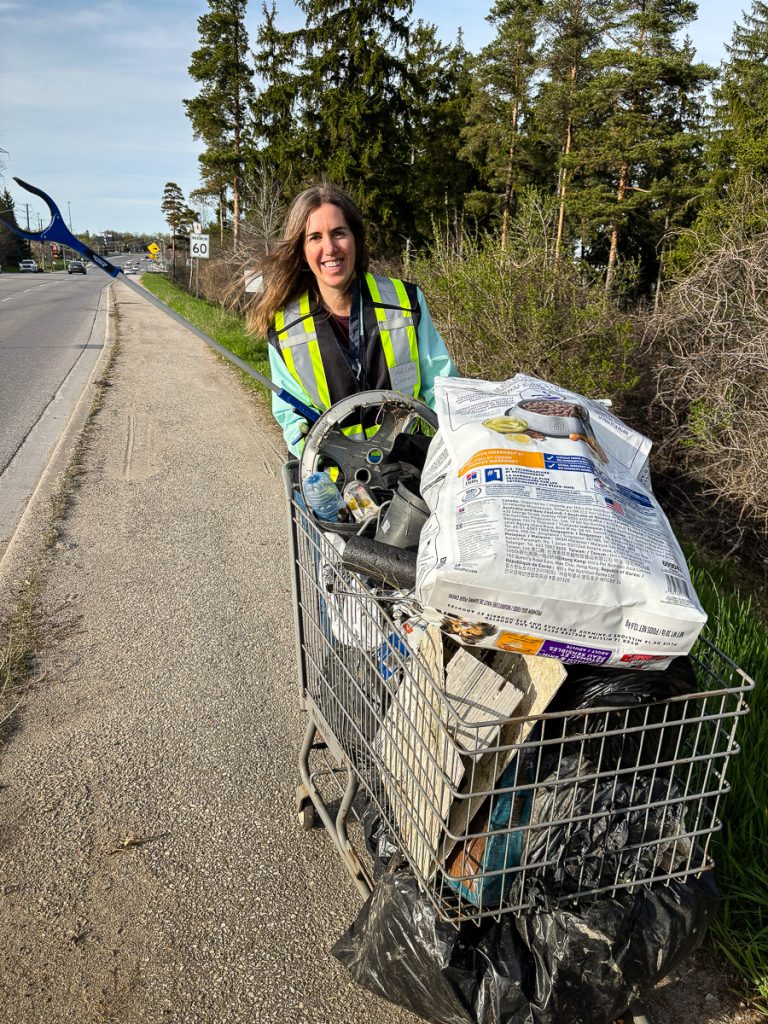
- Wear sturdy or puncture-resistant gloves.
- Use litter grabbers.
- Carry sturdy bags for garbage and recycling.
- Wear high-visibility clothing near busy roadways.
- Wear appropriate footwear.
- Apply sunscreen and insect repellent (when needed).
- Bring a refillable water bottle.
- Have a first-aid kit and emergency contact information.
- Always wash your hands after your cleanup
Tip 2: Be prepared before you go.
- Choose a safe site that is easily accessible.
- Determine if you have permission to access the site and remove litter.
- Confirm local disposal and recycling instructions before the cleanup.
- Check the weather conditions and postpone the cleanup during dangerous conditions.
- Familiarize yourself with the site.
- Review local emergency procedures and disposal requirements before starting.
Tip 3: Be cautious and avoid hazards.
- Do not touch any hazardous items, including biological materials, unknown substances, or sharps, even with gloves. Mark the location from a safe distance, keep people away, and contact the appropriate local authority.
- Avoid steep cliffs, unstable ground, fast-moving water, and other hazards
- Do not try to lift something that is too heavy for you. Leave anything that cannot be safely moved and report it to the appropriate local authority.
Tip 4: Sort, dispose, and recycle your debris.
- Separate recyclable materials where practical.
- Follow local requirements for refundable beverage containers, batteries, tires, metal, batteries, and other special materials.
- Do not place hazardous materials in regular garbage or recycling.
Tip 5: Respect animals and their habitat.
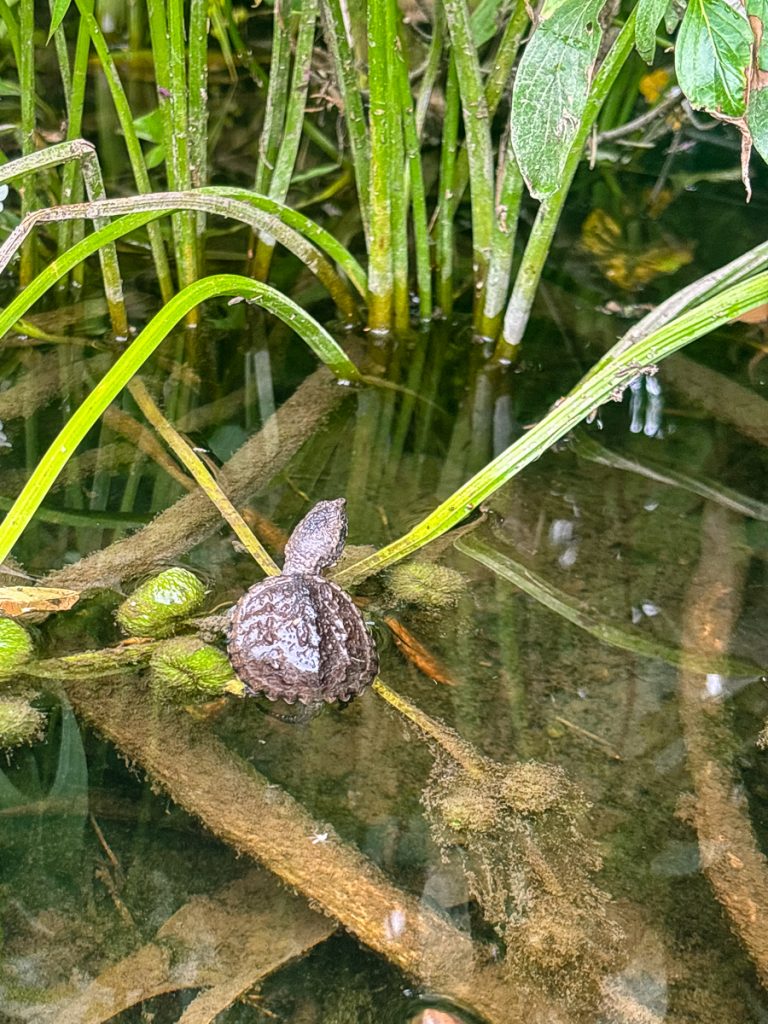
- Observe from a respectful distance.
- Do not disturb nests, dens, or other habitat.
- While on the trail take a moment to appreciate the diverse habitats.
- Take only pictures to document habitats and who you met along the way, and use nature apps (Merlin or iNaturalist) to learn more.
- If you see an animal in distress, contact support (e.g., your local wildlife rescue organization, humane society, conservation officer, or other appropriate authority). Do not attempt to rescue or disentangle the animal.
Learn more
Share your progress
Once you’re done your cleanup, share your progress with your community and submit it to us so we can mark it on the map. If you use a valid email, you can see and share a dashboard of your cleanups.