

Irvine River Cleanup
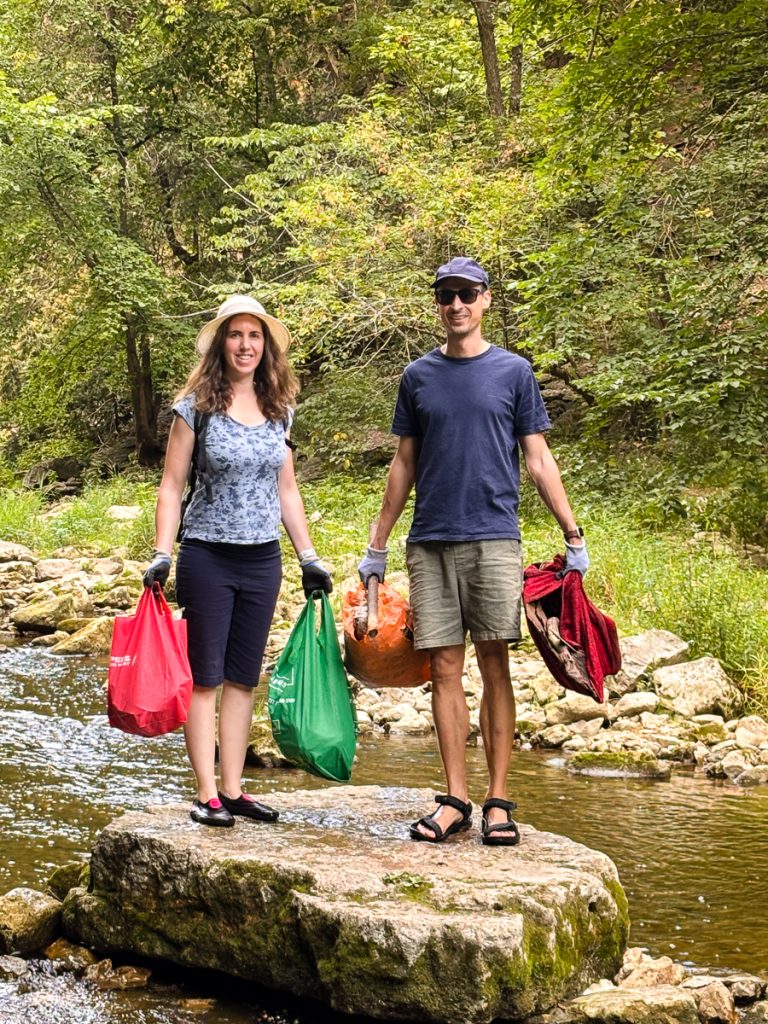
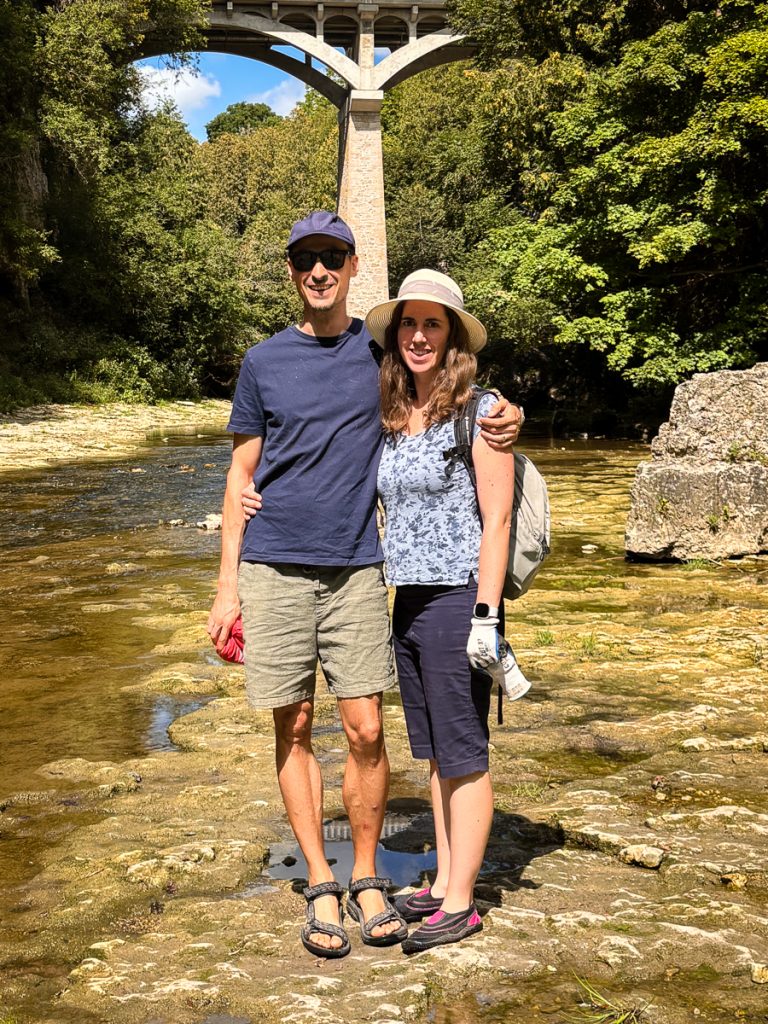
A short drive from Guelph, the Irvine River carves its way through limestone walls and joins the Grand at the Elora Gorge Junction. The gorge where the two rivers meet is striking: sunlight skims the tops of the walls, trees overhead look down on the water, minnows and crayfish dart in the clear water. However, the gorge wasn’t always known for its natural beauty; historically, the area was an environmental disaster.
Early settlers completely deforested the gorge and surrounding fields, using the Grand River as a dumping ground for everything from logs and vats of acid to sawdust, human sewage, and animal carcasses.
In 1868, a severe drought caused the accumulated waste in the gorge to catch fire, burning for ten days. The disaster sparked a local movement to replant trees and restore the river to its natural state.
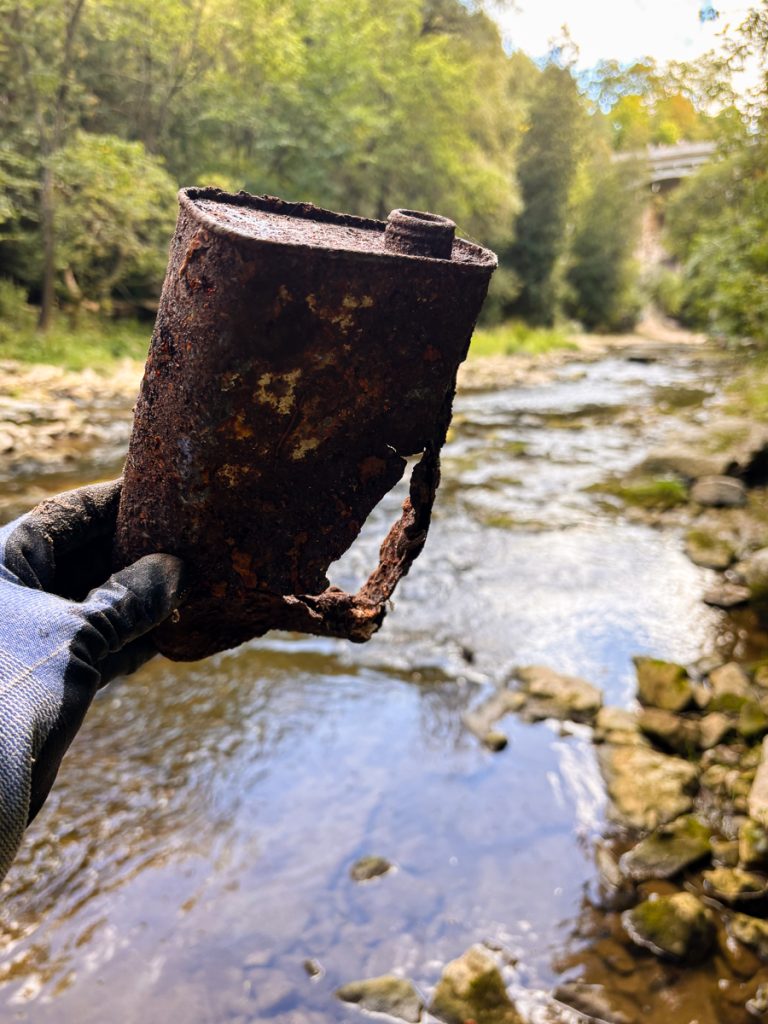
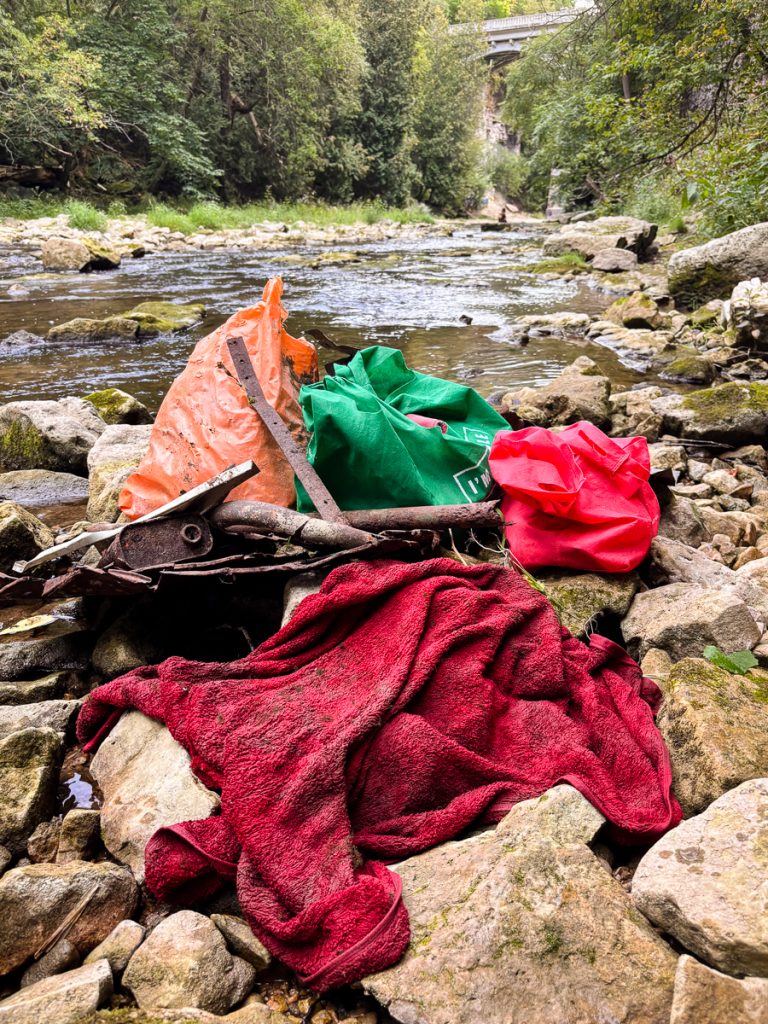
While the damage today is less deliberate, the gorge’s proximity to a busy urban area still results in plenty of modern debris washing downstream. Over Labour Day weekend we hiked up the Irvine and pulled out bottles, cans, plastic sheeting, car parts, and a waterlogged purse with a cracked iPhone and a set of keys still inside that looked like it had been out in the elements for six months.
Around us, the river was healthy and vibrant, running clear over the stones, cold, worth wading through for an hour. Hopping across slippery rocks, we collected four full bags of debris weighing around 6 kg, though we had to leave larger items behind for a return trip this fall. It’s a stunning area, and clearing out debris keeps it that way, preventing plastics and paint cans from washing further down the Grand and into our lakes. The lake starts here.


Notable Finds
Recyclables: 13 cans, 8 bottles
Wildlife Observed
Crayfish and minnow shoals