

The Air We Breathe
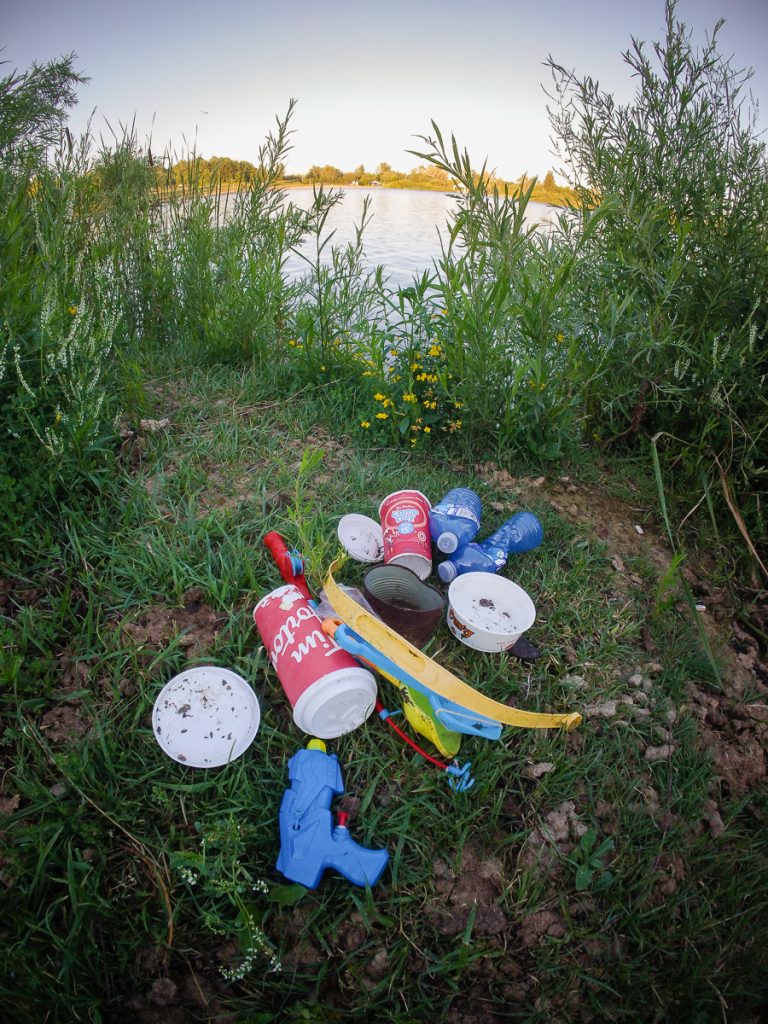
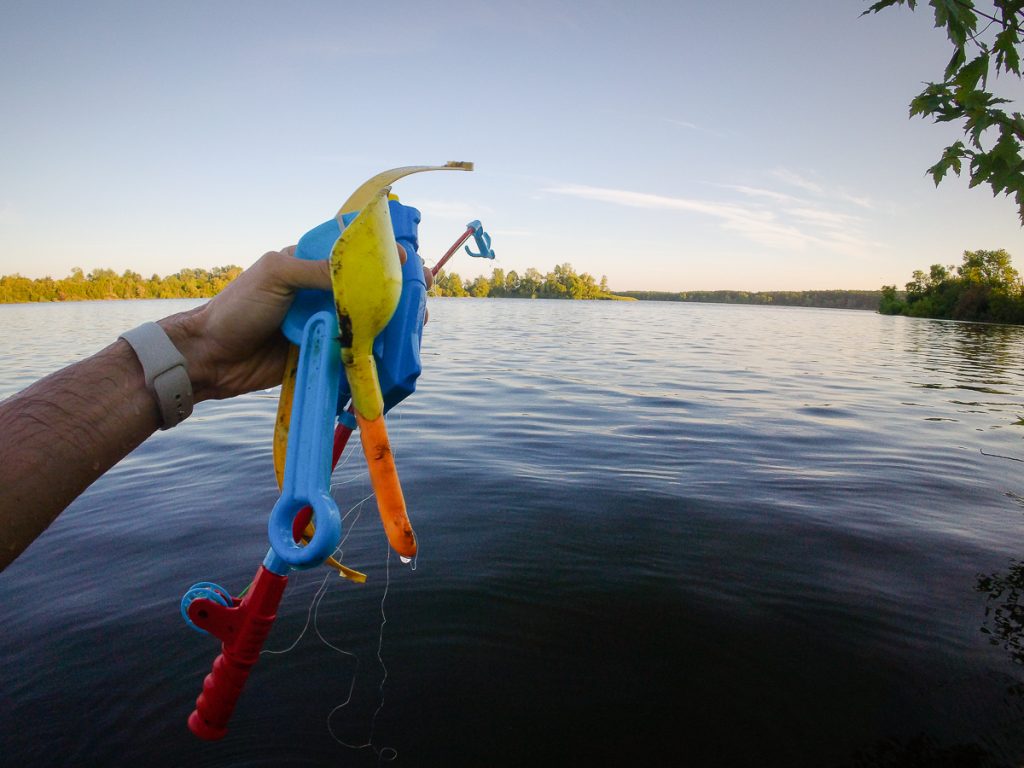
Last evening, before the wildfire smoke blanketed Southern Ontario, we went out to dive for plastics along Guelph Lake. The quick dive into the water in the middle of this intense heat wave felt amazing, but it felt even better to locate and pull debris from the water and shore: lost fishing lures, plastic toys, cans, bottles and the ubiquitous Tim Hortons cups.
Over the past three months, we have removed over 547 kg of plastic and debris from local waterways, in addition to recycling 1,050 cups and bottles.
Today, southern Ontario is blanketed in some of the worst wildfire smoke on the planet. It’s a stark reminder of how fragile our air supply is, and it’s tempting to assume the danger is simple: we’re burning down the trees that make our oxygen.
That’s not quite the full picture. A mature forest is close to a closed loop: the CO2 it absorbs and the oxygen it releases through photosynthesis is largely balanced by what the same forest releases back through decay and respiration over time. Losing forest to fire is a real and immediate loss (habitat, stored carbon, air quality) but it isn’t draining a long-term oxygen bank the way we tend to assume.
The ocean works differently, and this is the part that doesn’t get talked about enough. Plankton don’t just produce oxygen at a scale rivaling all the world’s forests combined, they also help lock carbon away for good. As plankton graze, their poop captures CO2 and sinks into the deep ocean for centuries. Plankton poop drives the biological carbon pump and is the hero of this story: one of the few processes on Earth that actually removes carbon from circulation long-term, instead of just cycling it back and forth.
Which is why plastic pollution matters more than it looks. As plastic breaks down into microplastics, it interferes with plankton’s ability to photosynthesize and disrupts the biological pump that carries carbon into the deep ocean. Weaken that pump, and more CO2 stays in the atmosphere — adding to exactly the kind of warming driving longer, more intense fire seasons across the Boreal forest.
No single river cleanup is going to move the needle on global carbon, and fire risk has plenty of other drivers — drought, fuel load, emissions outside our control. That’s not the point. The point is that the plastic we leave in a local river doesn’t stay local. It’s one more thread pulling at a system that’s already under strain, hundreds or thousands of kilometres away.
Cleaning our tributaries and reducing our use of plastics can make a small difference. Once plastic fractures into microparticles in the open ocean, there is no technology on Earth that can filter it out without destroying the microscopic life holding our atmosphere together.
Every single kilogram we pulled from our local waters over the last three months represents tens of thousands of potential microparticles that will never reach the Great Lakes or the ocean.
And you can help by doing a cleanup and reducing the amount of plastics we use. We’re cleaning our rivers today because the smoke outside our windows and the crisis under the water’s surface are more connected than they look.


Notable Finds
Water gun; Recyclables: 16 cans, 12 bottles
Wildlife Observed
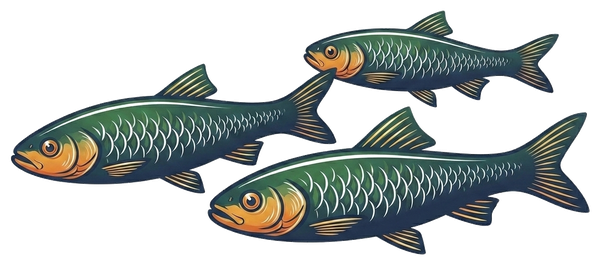
Minnows