

Some assembly required
In May we pulled out two bikes, a child carrier, a shopping cart, and a comforter that a painted turtle had adopted as a dock from the storm water ponds near the West End Community Centre.
We assumed we removed all the major debris from the pond. We didn’t.
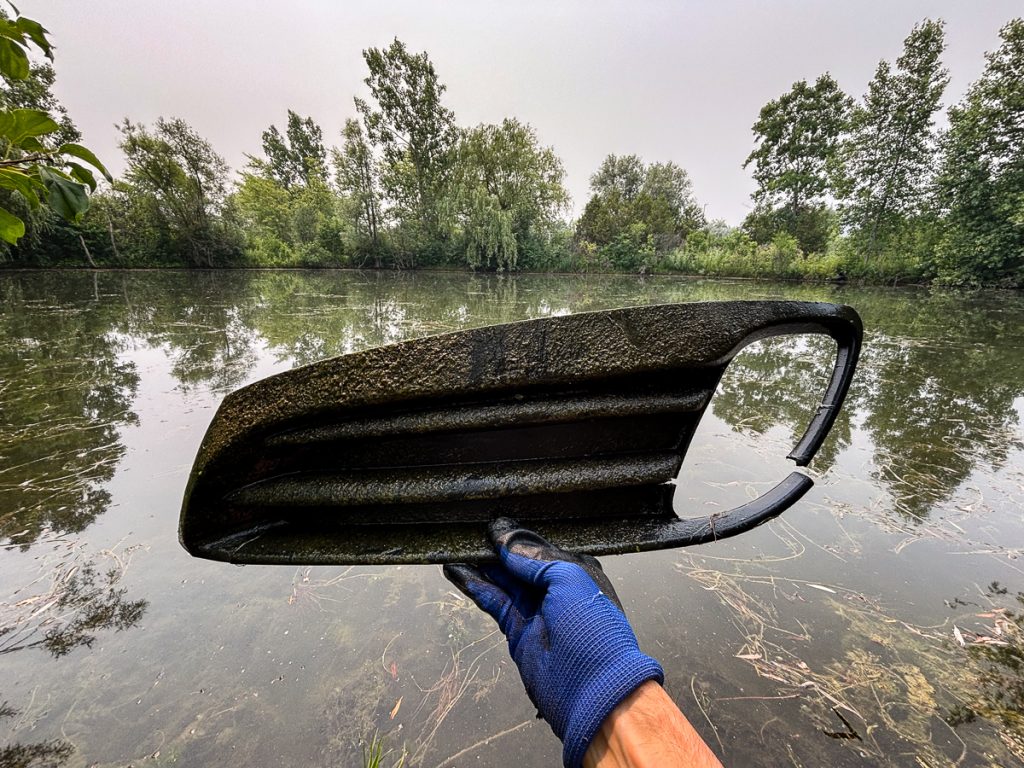
On a lunchtime break I waded in the water and found:
- One set of bike handlebars (grips still on, brake levers intact, frame nowhere to be found)
- A section of car bumper
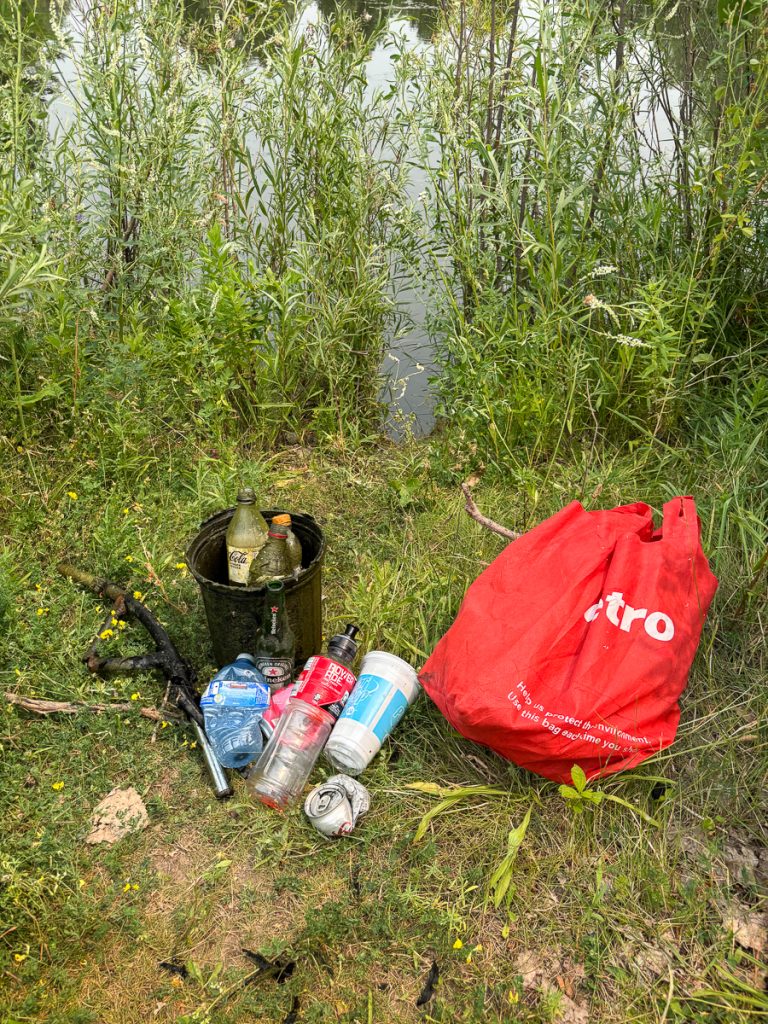
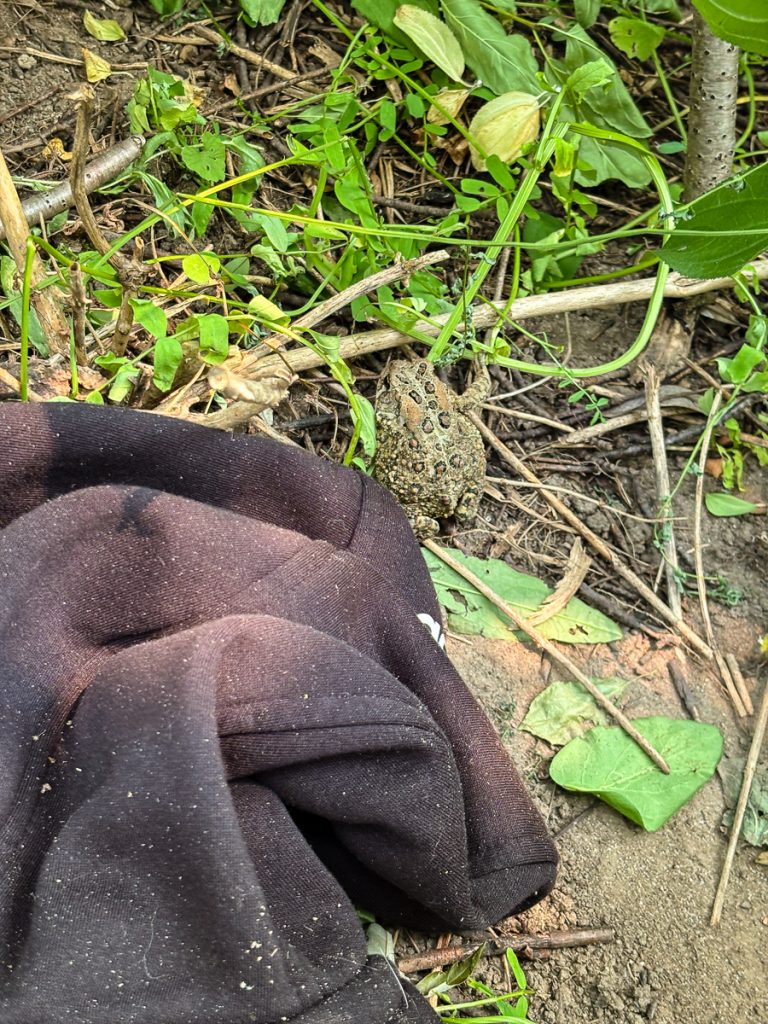
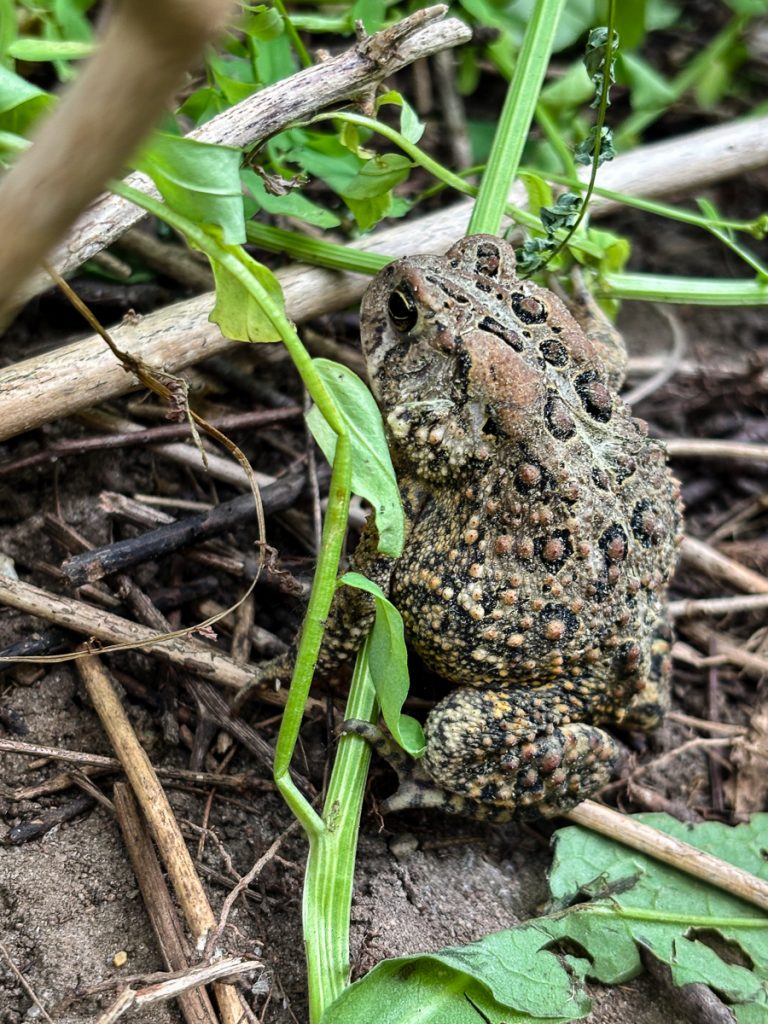
- Various fabrics (one cradling a toad), large plastic pots, bottles and other debris.
Finding an entire bike makes some sense. But handlebars by themselves means there is a bike down there missing its handlebars. Either that or someone is delivering one bike component at a time to the pond.
And now the bumper. We’ve apparently graduated from bicycles to automobiles. At this rate, next visit is an axle, and by the fall the pond will have a fully assembled sedan with a bike rack on it, ready to drive itself to the metal recycler and save us the trip.
Working theories:
- There is one more bike down there (Optimistic)
- There are six more bikes down there (Realistic)
- The pond is building something and we are interfering with the project
These ponds are shallow and warm — which is exactly why turtles, frogs, invertebrates, and juvenile fish use them, and exactly why they’re such bad places to store metal and plastic. Steel and aluminum corrode into a small volume of standing water with nowhere to flush. Grips, brake housings, and bumper trim are all plastic that doesn’t dissolve so much as it crumbles, shedding fragments smaller and smaller until they’re small enough to be eaten by something and never leave.
A bumper isn’t litter that eventually goes away. It’s litter that eventually goes everywhere.
So we’ll be back to locate more bike parts. This time with a magnet.
If you spot something in the water — bike, bumper, or entire drivetrain — let us know.


Notable Finds
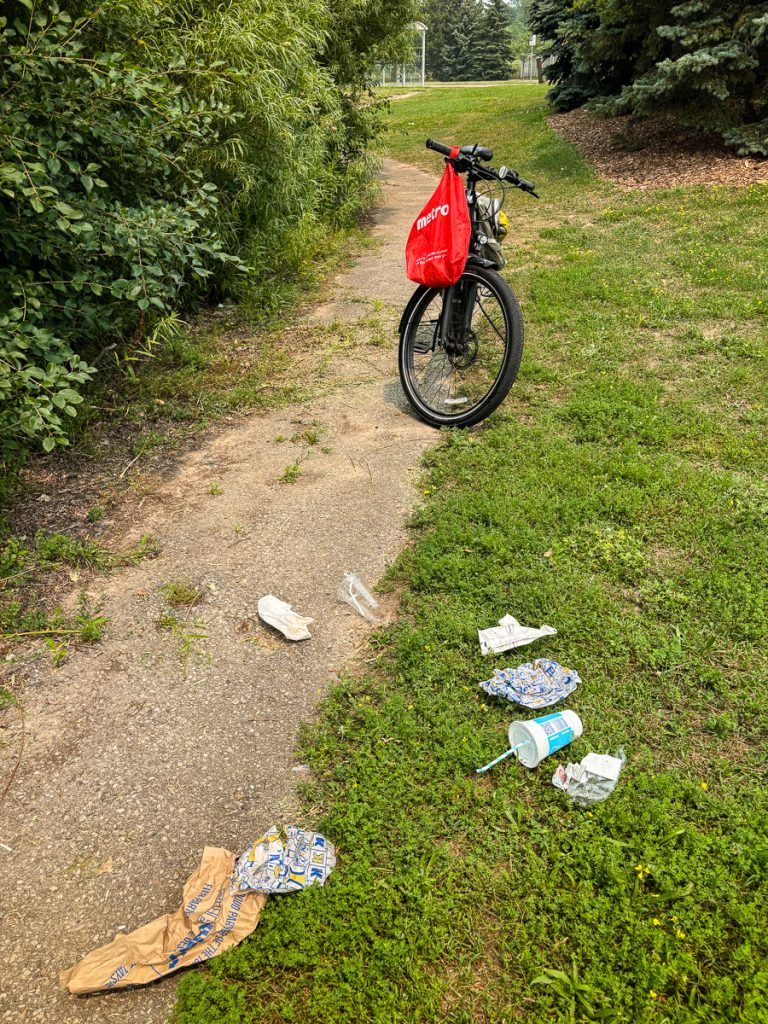
Bike handles, car bumper; Recyclables: 4 cans, 7 bottles
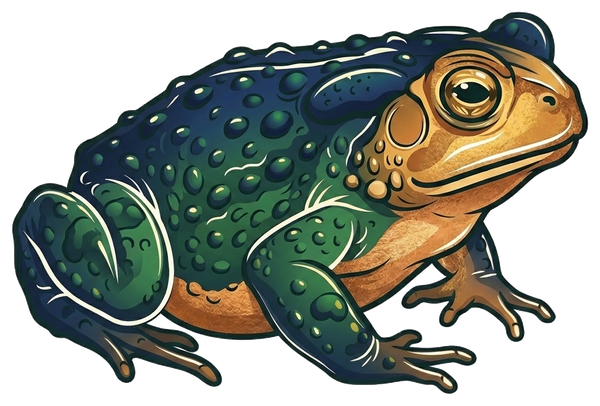
Wildlife Observed
American Toad